
Our process
Nothing is left
to the season.
Seven steps between the field and your warehouse, each with a named owner, a written standard and a record you can ask to see.
Field to port, step by step
Agricultural trade goes wrong in the gaps — between the grower and the packhouse, between the packhouse and the shipping line, between what was agreed and what was loaded. We closed those gaps by keeping every step under one roof and writing down what each one has to deliver.
-
Field selection
Before a season opens we map the blocks we intend to buy from — variety, age of the planting, irrigation, previous season’s residue results. Blocks that do not clear the residue history are not bought, whatever the price.
-
Crop monitoring
Field officers visit through the growing cycle, log spray records and flag anything that could affect maturity or shelf life. Buyers with their own protocols can have those checks written into the schedule.
-
Harvest timing
Maturity is measured, not guessed — brix, dry matter, firmness or moisture depending on the crop. Picking windows are set per block, and produce is moved out of field heat within hours.
-
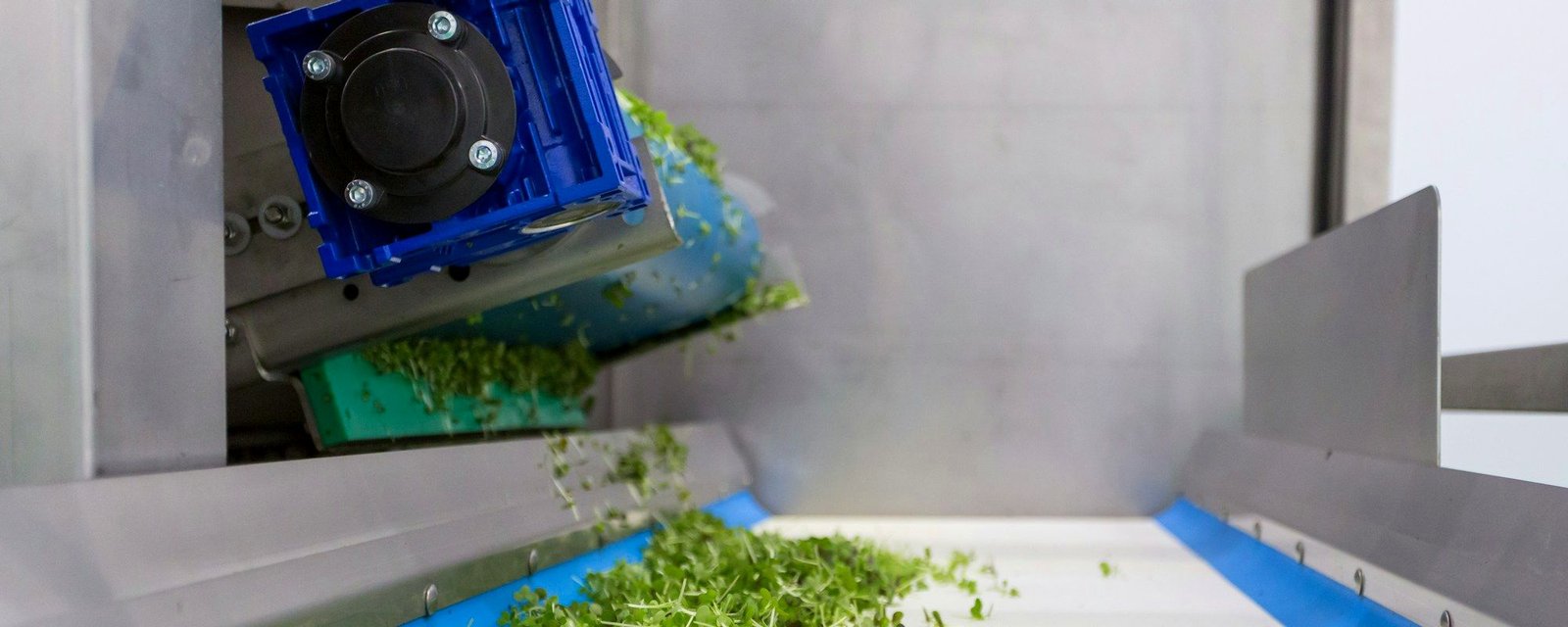
Grading and sorting
At the packhouse every lot is graded to the buyer’s count, calibre and colour bands. Off-grade is separated and sold domestically rather than quietly mixed in.
-
Testing
Accredited laboratories run pesticide residue, heavy metal, mycotoxin and microbiological panels as the destination market requires. Results are issued per lot and travel with the consignment.
-
Packing and pre-cooling
Packing is to your artwork and format. Fresh lines are pre-cooled to the pulp temperature the voyage needs before the container is stuffed, and dataloggers go in with the cargo.
-
Documentation and despatch
Phytosanitary certificate, certificate of origin, certificate of analysis, packing list, invoice and bill of lading. The full set reaches you by email the day the vessel sails.
At the packhouse
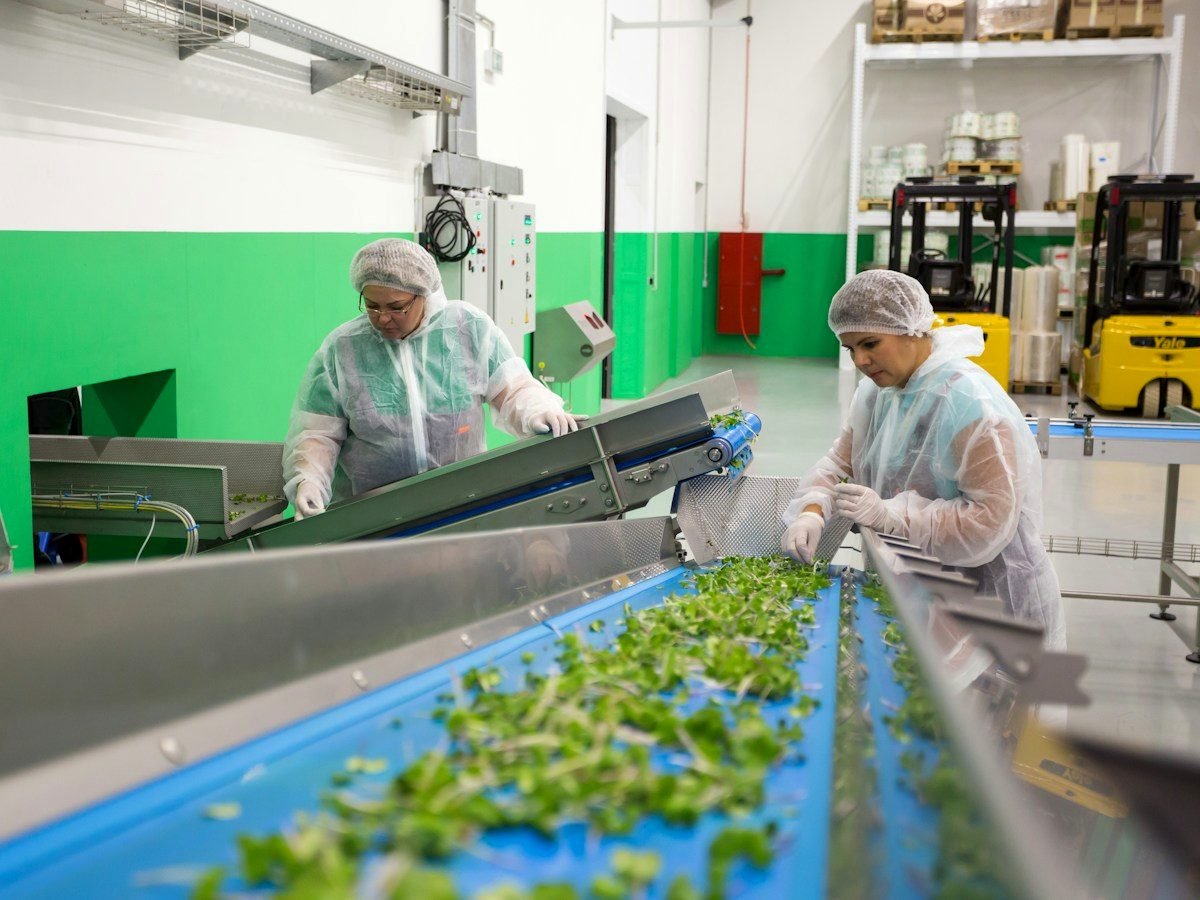
Grading is where trust is earned.
It is easy to grade generously when the market is short and margins are thin. We grade the same way in a good season and a bad one, because a buyer who opens a container and finds what they expected will call again.
Off-grade produce is separated and sold into the domestic market. It does not travel in an export carton.

In the laboratory
Test to the destination, not to the average.
EAEU technical regulations, EU MRLs and Chinese GACC requirements are not the same, and a panel that passes one can fail another. We test against the market the cargo is going to, and we issue the certificate of analysis per lot rather than per season.
If a result comes back out of specification, the lot does not ship. You hear about it from us before you hear about it from anyone else.
Your checks, not just ours
Verify anything you like
-
Pre-shipment samples
Couriered before confirmation on request, so you approve against the real thing rather than a photograph.
-
Third-party inspection
SGS, Bureau Veritas, Intertek or your own agent — welcome at the packhouse and at stuffing.
-
Container photographs
Loading photographs and seal numbers shared the same day, every shipment, without being asked.
-
Lot traceability
Every carton carries a lot code that resolves back to the grower group, block and harvest date.

See it for yourself